
Environmental due diligence and legal strategy are too often treated as parallel processes in commercial real estate transactions — the attorney handles the contract, and the environmental consultant handles the Phase I, and the two don’t really communicate until something goes wrong. That’s a problem. The Phase I ESA generates information that should directly shape purchase agreement provisions, representations and warranties, indemnification structures, and post-closing obligations. When legal counsel and environmental professionals work in isolation, contractual protections get missed, timelines create compliance failures, and buyers close on contaminated properties with inadequate legal protections.
This post is written for real estate attorneys and sophisticated buyers in the DFW market who want to understand how to integrate environmental due diligence and legal strategy effectively. As an ASTM E1527-21 Environmental Professional with a PhD in Environmental Engineering from Texas A&M University-Kingsville, I spend a significant part of my practice working with legal counsel on transactions where environmental conditions are material to the deal structure. The framework I’m laying out here is what I’ve learned from that work.
Before the Phase I: Setting Up the Transaction for Success
The legal and contractual framework for environmental due diligence should be established before the Phase I begins. Failing to set this up correctly is one of the most common sources of avoidable problems in environmentally complex transactions.
Due Diligence Period Duration
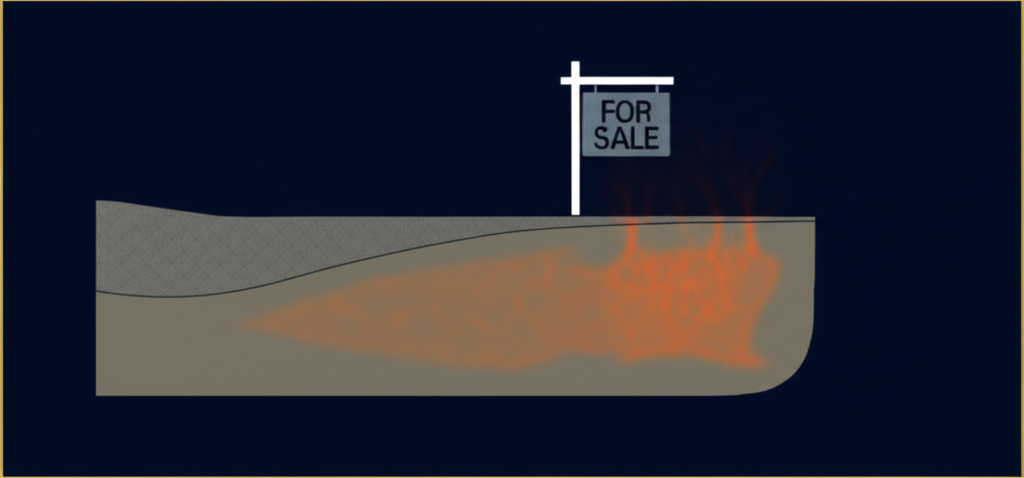
A thorough Phase I Environmental Site Assessment under ASTM E1527-21 requires a minimum of two to three weeks for a standard commercial property — more for complex properties with extensive historical use, large multi-building sites, or properties requiring significant records research. If the Phase I identifies Recognized Environmental Conditions (RECs) that warrant a Phase II investigation, the total due diligence period needs to be five to ten weeks minimum, depending on the complexity of the sampling program.
Purchase agreements that provide only 10-15 business days for environmental due diligence create a structural problem: either the Phase I gets rushed (which creates quality problems), or the buyer is forced to make a closing decision without complete information. In DFW’s competitive market, buyers are sometimes reluctant to ask for longer due diligence periods — but accepting an inadequate period to avoid losing a deal is not a rational risk trade-off for a property with complex environmental history.
For properties in legacy industrial corridors, adjacent to former gas stations, or with historical industrial tenant use, I routinely recommend requesting 30-45 day due diligence periods to allow for a thorough Phase I and the possibility of a Phase II if warranted.
Right of Entry
The purchase agreement must include explicit right of entry provisions that authorize the buyer’s environmental consultant to access all areas of the property — including all tenant spaces, mechanical areas, and exterior areas — during the due diligence period. Seller restrictions on access create data gaps in the Phase I that must be documented as such and that may affect the defensibility of the assessment as AAI compliance.
For Phase II investigations, right of entry provisions need to be more specific: they should authorize drilling, soil sampling, groundwater sampling, and installation of monitoring wells, and should address liability for restoration of disturbed areas and any damages caused by the investigation activities.
Environmental Representations and Warranties — Negotiating the Seller’s Knowledge
Seller representations and warranties about environmental conditions are often boilerplate — general statements about compliance with laws and no known contamination. For properties with complex history or in high-risk areas, these should be more specific:
- No known releases of hazardous substances to soil or groundwater
- No pending or threatened TCEQ enforcement actions
- No USTs on the property other than those specifically disclosed
- No known or suspected asbestos-containing materials, lead-based paint, or PCB-containing equipment other than those disclosed
- No correspondence with TCEQ or EPA regarding contamination or compliance concerns in the past [X] years
- Copies of all environmental reports, assessments, or studies conducted for the property
These representations narrow the seller’s knowledge gap argument at closing and create post-closing remedies if contamination is discovered that the seller had reason to know about.
During the Phase I: What Legal Counsel Needs to Know
While the environmental consultant is conducting the Phase I, legal counsel should understand several things about the process that will affect the legal conclusions:
User Responsibilities Under ASTM E1527-21
ASTM E1527-21 assigns specific responsibilities to the “User” — the party commissioning the Phase I. User responsibilities include:
- Disclosing all specialty knowledge the User has about environmental conditions at the property (the User has an obligation to share relevant information with the EP)
- Providing accurate information about the intended use of the property
- Ensuring that the entity identified as the User in the report matches the acquiring entity
The User entity match requirement is frequently overlooked in transactions involving affiliated entities or SPVs. If the Phase I names the acquiring LLC as the User, but closing occurs in the name of a different entity (a new SPV formed after the Phase I was ordered), the User entity match may be broken — and the AAI documentation may not protect the actual acquiring entity. Legal counsel should verify that the entity structure at closing matches the Phase I documentation.
Data Gaps and Their Legal Significance
When the Phase I identifies data gaps — information the EP couldn’t obtain — those gaps have legal significance. A data gap that the EP concludes is unlikely to affect the assessment’s findings is different from a data gap that might have hidden a REC. Legal counsel reviewing the Phase I should specifically note any data gaps that the EP characterizes as potentially significant, as these may require resolution before the AAI defense is fully established.
After the Phase I: RECs and Transaction Structure
The Phase I findings — specifically the identification of RECs, CRECs, or HRECs — are the primary inputs to the legal and contractual risk allocation in the transaction.
No RECs Identified
A Phase I with no RECs identified allows the transaction to proceed with standard environmental representations and warranties. The AAI documentation is in place, the innocent landowner defense is available, and the primary environmental risk is managed. Counsel should verify the report’s currency (within 180 days of closing), User entity match, and compliance with ASTM E1527-21.
RECs Identified — Current Regulatory Status
If the Phase I identifies RECs based on current regulatory database listings (an open LPST case, an active TCEQ enforcement action), legal counsel needs to understand the current status of the regulatory action:
- Is the case open or closed? If closed, under what conditions?
- Are there institutional controls (deed restrictions, groundwater use restrictions) associated with the regulatory closure?
- Is the responsible party for the regulatory action the current property owner, a former tenant, or an off-site source?
- What is TCEQ’s current required action, if any?
This information should inform purchase price negotiations, seller representations, and post-closing obligations. A property with an open LPST case where the seller is the responsible party should include explicit provisions for the seller’s continued management of the regulatory obligation post-closing.
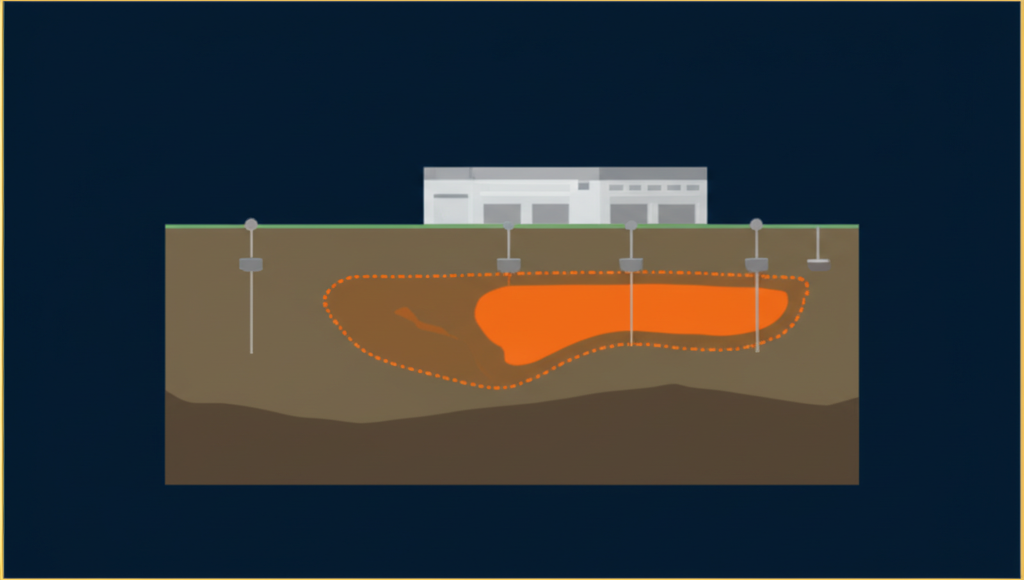
RECs Warranting Phase II Investigation
If the Phase I identifies RECs that warrant Phase II investigation, the purchase agreement should include provisions that:
- Extend the due diligence period to allow Phase II completion
- Define the buyer’s termination rights if Phase II findings exceed specified thresholds
- Address the disposition of Phase II data — specifically, who owns the data, what happens to it if the transaction doesn’t close, and whether seller has the right to see the results
Confirmed Contamination: Risk Allocation Mechanisms
When Phase II investigation confirms contamination, the transaction can still proceed — but requires explicit contractual mechanisms to allocate the environmental liability:
Purchase Price Adjustment
The most straightforward mechanism: the purchase price is reduced to reflect the estimated remediation cost. The adjustment should be based on a defensible remediation cost estimate prepared by the environmental consultant — not a buyer’s arbitrary discount. The estimate should account for the specific remediation approach, regulatory pathway (TCEQ VCP or LPST program), and reasonable contingency.
Escrow Holdback
A portion of the purchase price is held in escrow pending completion of remediation or regulatory closure. This mechanism works well when the contamination is being addressed by the seller and the buyer wants assurance that the cleanup will be completed post-closing. The escrow amount and release conditions should be defined specifically.
Indemnification
Seller indemnification for pre-closing environmental conditions is common in transactions where contamination has been identified. The indemnification should be specific about scope (what conditions are covered), time limits (survivability beyond the standard indemnification period), and caps. Indemnification is only as valuable as the seller’s ability to pay — an indemnification from a thinly capitalized LLC may be functionally worthless.
Environmental Insurance
Environmental impairment liability (EIL) insurance and pollution legal liability (PLL) insurance are available products that can cover contamination discovery, remediation costs, and third-party liability arising from environmental conditions. For transactions where contamination has been identified but the scope is uncertain, or where the seller’s indemnification capacity is questionable, environmental insurance can provide a backstop that doesn’t depend on the seller’s financial health.
At Closing: The Final Environmental Checklist
Environmental counsel should verify the following before the transaction closes:
- Phase I currency — Report date within 180 days of closing. If more than 180 days have elapsed, the report must be updated before closing.
- User entity match — The User identified in the Phase I matches the entity taking title at closing. If the acquiring entity changed after the Phase I was ordered, coordinate with the EP to update the report or obtain a reliance letter that covers the correct entity.
- ASTM E1527-21 compliance — The report expressly states it was prepared under ASTM E1527-21, not E1527-13 or an earlier version.
- EP qualifications documented — The report includes the EP’s qualifications and their acknowledgment that they meet the regulatory definition.
- All REC follow-up complete — Any RECs identified in the Phase I have been either resolved through Phase II investigation, addressed through purchase price adjustment or other contractual mechanisms, or explicitly accepted by the buyer with documented understanding of the risk.
- Institutional controls recorded — If the property is subject to environmental deed restrictions or other institutional controls, verify they have been properly recorded and will be disclosed in title.
Environmental and Legal Strategy Should Work Together — From Day One
The most effective environmental risk management in commercial transactions happens when legal counsel and the environmental consultant are coordinating from the moment due diligence begins — not when the attorney is reading the Phase I for the first time at the closing table. Early coordination allows the Phase I scope to be calibrated to the specific legal risks of the transaction, contractual provisions to be aligned with what the Phase I might find, and timeline planning to allow for Phase II investigation if warranted.
At Vertexium Environmental Solutions, we regularly work alongside legal counsel in complex DFW commercial transactions. We provide Phase I ESAs, Phase II ESAs, and comprehensive environmental due diligence packages — and we’re available to discuss findings with legal counsel, provide expert input on remediation cost estimates, and explain technical conclusions in terms that inform the legal risk analysis.
If you’re working on a transaction where environmental conditions may be material, book a consultation early — not after the Phase I comes back with RECs.
Need Environmental Due Diligence?
Vertexium Environmental Solutions delivers Phase I ESAs with 2-3 week turnaround, fixed-fee pricing, and PhD-level technical review on every report.
Book a Free Consultation
Dr. Mohamed Elansary
PhD in Environmental Engineering from Texas A&M University-Kingsville. Founder of Vertexium Environmental Solutions, delivering Phase I/II ESAs and environmental due diligence for commercial real estate across the DFW Metroplex.